Video used to be the most expensive thing you could make.
A camera, lights, someone who knew how to edit, days of work for three minutes of finished output, that's why so many people never bothered.
Now a person with a laptop can do in an afternoon, what used to take a crew a week.
Not everything is better, some of it is worse, but the floor has dropped out from under the old cost structure, and that changes who gets to make things.
Here's what's actually different.
You Type, It Renders
Text-to-video is the part everyone talks about.
You write a description, something like "wide shot, empty highway at dawn, fog," and a minute later you have footage, not always good footage, but footage.
Google's Veo does this, so does Runway, Kling, Seedance, each one has its own look, and its own failure modes, Veo tends to be the most consistent, Runway gives you more control, Kling handles motion well, and Seedance is surprisingly good at keeping audio and picture in sync, which most tools still can't do.
What this actually gets you, is B-roll you don't have to shoot, establishing shots that would have cost money to film, effects that used to require a VFX artist.
What it doesn't get you, is complex action sequences, characters that look the same from clip to clip, or anything requiring precise choreography, those still break, sometimes badly.
Editing Stopped Being the Slow Part
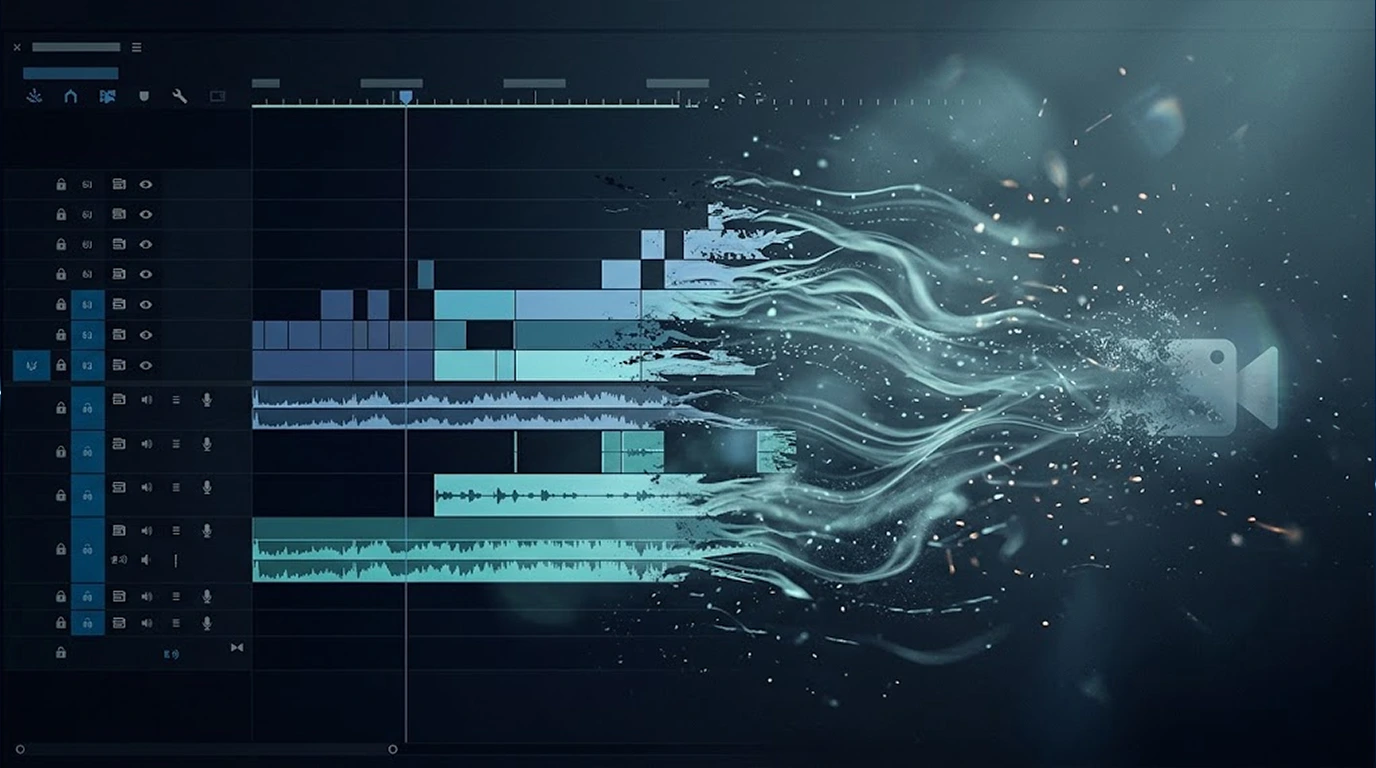
The editing stage, is where AI has quietly done the most damage to the old workflow.
Things that used to eat entire days, like removing an object from a shot, matching color between clips, cleaning up bad audio, writing subtitles, all of it now happens automatically, not perfectly, but well enough that you can fix the last 10% by hand, instead of doing the whole thing yourself.
This hasn't replaced editors, it's changed what they spend their time on, less time masking frames, more time on pacing and story, and if you've ever spent four hours rotoscoping something, you know why that matters.
Voice Got Cheap
Audio used to be the thing that ruined otherwise good videos, wind noise, bad mic, a room with terrible acoustics.
Voice synthesis fixed most of that.
You type a script, pick a voice, get narration, it sounds human enough that most viewers won't notice, ElevenLabs is the current leader here, Synthesia and HeyGen do similar work with avatars attached.
Voice cloning is the murkier part, with a short sample, these tools can replicate someone's voice, useful for dubbing and accessibility, also useful for fraud, which is why consent matters, and why the regulations are still catching up.
The Whole Pipeline Moved
It's not one step that changed, it's all of them.
Before shooting, AI helps with scripts, shot lists, storyboards, it's decent at brainstorming, and terrible at taste, so you still need a human making the final call.
During shooting, less impact here, cameras are still cameras, but AI handles translation for interviews, and can suggest lighting setups.
After shooting, this is where it matters most, editing, color, audio, captions, thumbnails, almost all of it has an AI option now.
Distribution, thumbnails, descriptions, platform-specific cuts, AI handles it.
The result, is that a two-person team can now put out work that looks like it came from a studio, and that didn't used to be possible.
What It Means If You Make Video
If you're a solo creator, you can publish more often without burning out, that's the whole benefit, not that the work gets better, but that you can keep going.
If you run a business, training videos, product demos, ads, all of it got cheaper, you no longer need a production budget to look professional, you do still need someone with judgment, because AI will happily produce something generic and dull, if you let it.
If you're an editor, your job is shifting toward taste, the mechanical work is going away, the decisions about what to cut and why, are not.
If you're a filmmaker, the interesting stuff is in what you can now afford to try, shots you'd have skipped because they were too expensive, effects you couldn't justify, it's more room to experiment, not less need for vision.
Where It Still Falls Apart
Worth being honest about this part.
Character consistency, the same person across five clips, good luck, every tool struggles with this.
Complex motion, hands, fights, anything requiring physical logic, AI generates something that looks plausible for two seconds, and then falls apart.
Reliability, you will generate ten clips to get one usable one, sometimes twenty, anyone who tells you it's one-and-done, hasn't used these tools much.
Legal uncertainty, copyright around AI-generated footage is still unsettled, deepfakes and unauthorized voice cloning are real problems, with real victims, and the rules are being written right now.
Sameness, this is the one people underrate, when everyone uses the same tools with the same prompts, everything starts to look the same, and you can spot AI video from a mile away, once you've seen enough of it.
The Tools Worth Knowing
For generation, Veo, Runway Gen-4.5, Kling, Seedance.
For editing, Premiere, CapCut, DaVinci Resolve, Descript.
For voice, ElevenLabs, Synthesia, HeyGen.
Most of these have free tiers, so try two or three, before you commit to anything.
What's Coming
Longer clips, better consistency, more control over specific details, that's the direction.
The interesting question isn't whether the tools get better, they will, it's whether the output gets more interesting, and right now a lot of AI video looks the same, because it's generated from the same handful of prompts, by people who haven't figured out what they want to say.
That's a human problem, not a technical one, and better tools won't fix it.
The Bottom Line
AI didn't make video creation effortless, it made it cheaper and faster, which is different.
The camera is optional now, so is the recording booth and the editing suite, and if you have something worth saying, the barriers between you and a finished video, are lower than they've ever been.
The part that still matters, is having something worth saying.
FAQ Section
Can AI actually make video from text?
Yes, Veo, Runway, Kling, and Seedance all do it, quality ranges from unusable to genuinely convincing, and it varies by attempt.
Will AI replace video editors?
No, it removed the tedious parts, but the judgment calls are still human.
What's the best AI video tool for someone starting out?
CapCut if you're editing, Runway or Kling if you're generating, and both have free tiers.
Is AI video good enough for client work?
For B-roll and effects, often yes, for anything with consistent characters or complex action, you'll still need to shoot it.
What does it cost?
Free tiers exist on most tools, and paid plans run from around $10, to several hundred a month, depending on usage.
Can AI clone my voice?
Yes, from a short sample, but don't do it to someone else, without their permission.
What's the biggest risk?
Misinformation and deepfakes, the tools are good enough now that fake video can fool people, and that's a real problem.
Will it get cheaper?
Yes, it already has.